WELL CONSTRUCTION IN BURKINA FASO
Lack of water is the main problem of this nation with annual rainfall that slightly exceeds 800 mm. concentrated in less than 70 days. Providing drinking water and education means improving living conditions, reducing infectious diseases, increasing vegetables, milk and meat for families.
- Construction of wells for drinking water
- Creation of fenced gardens for fruit and vegetables
- Implementation of soil improvement interventions
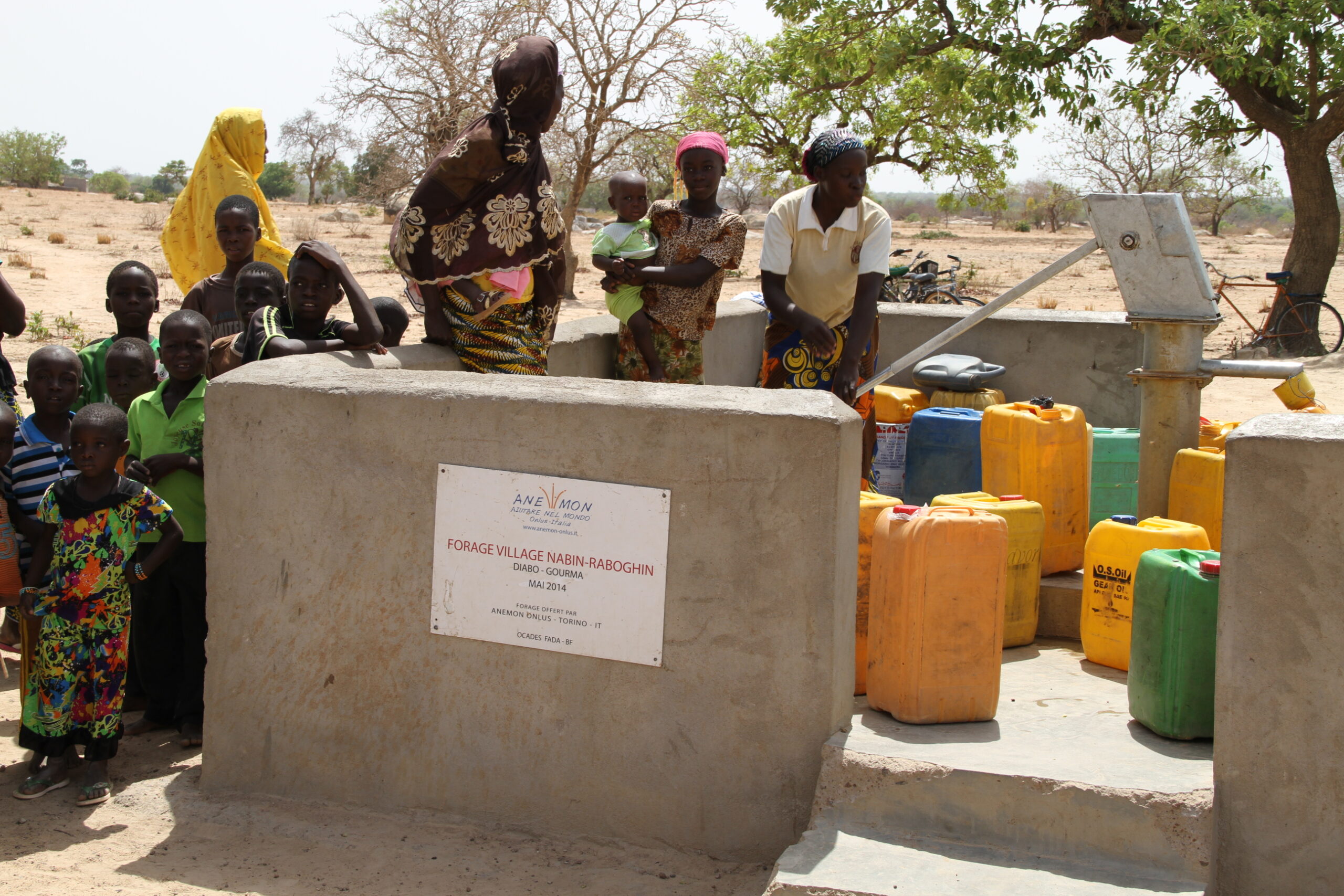
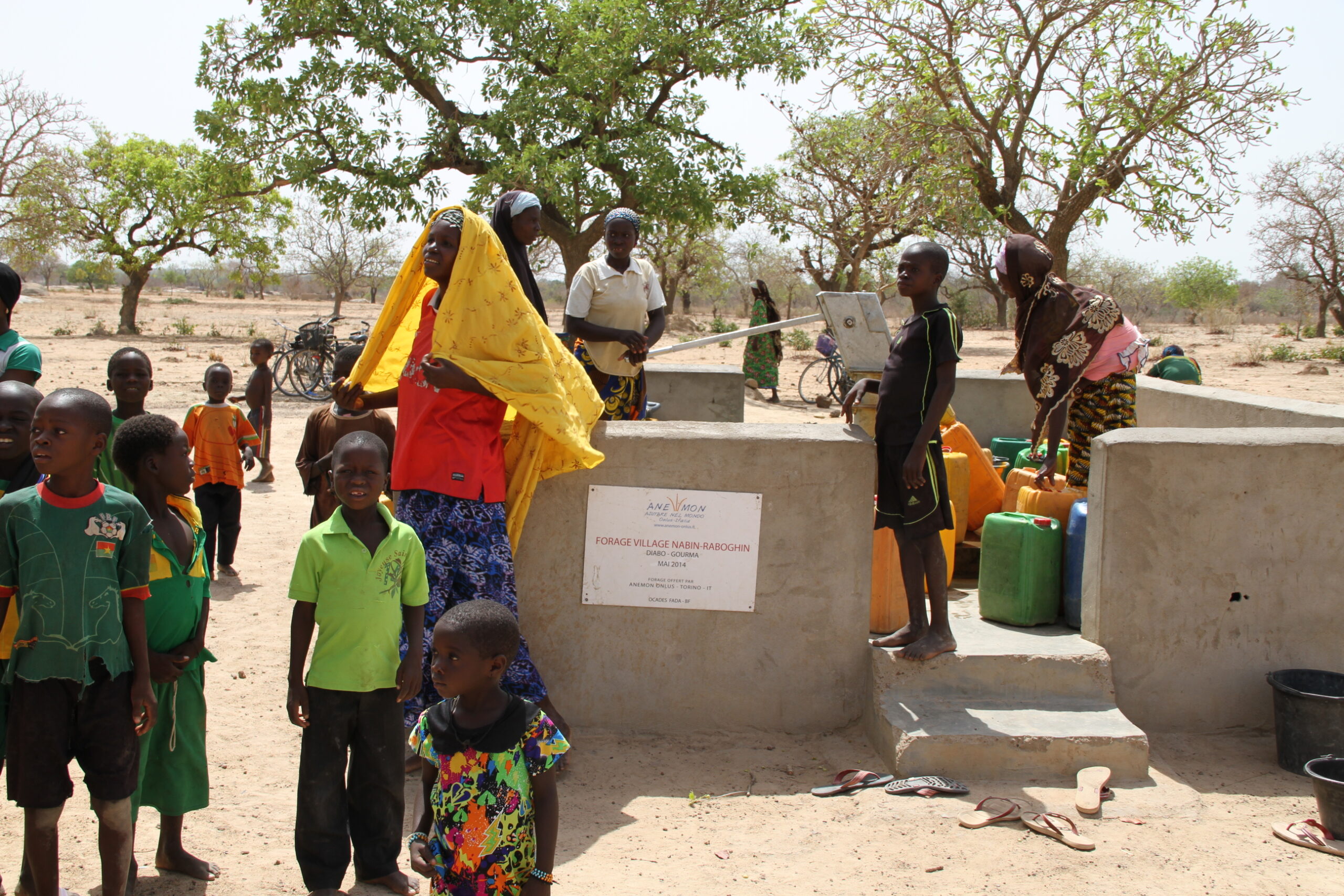
To provide clean water to 48,000 inhabitants who today only have surface water, which is scarce, muddy and infected and are forced to travel kilometers with the discomfort of carrying heavy tanks for hours.
To create fenced vegetable gardens to be entrusted to women and young people, donating tools and seeds and training.
An important objective of the project is the civil growth of the Communities through the formation of “groups” of women and young people: cooperation and improvement of the “status” through teaching the cultivation and sale of local vegetables and fruits. In an archaic society such as the African one, only teaching and the stimulus to produce income create the basis for human and social growth that lasts over the years.
By improving living conditions and economic possibilities, children’s schooling will increase, in fact families will be able to donate to their children’s schooling what they currently spend to treat their children for infectious diseases caused by infected water.
BURKINA is an extremely poor country, having no natural resources. Outside the cities, in the bush dotted with small villages, live traditional communities in which little has changed in thousands of years, especially as the village is far from communication routes.
Village life is based on survival agriculture, practiced during the short rainy season, with the aim of producing millet and some other cereals to support the family during the year. Chickens or goats or cows are raised if some fodder is available.
In the absence of a deep drilled well, in the villages people drink water from ponds, collected directly or by digging a well by hand and transported in cans on foot or by any means for kilometers.
Unfortunately, the hygienic characteristics of this water are such that it is a vehicle for dysentery, typhoid and many parasitic diseases that cause death and suffering, especially among children.
Burkinabe national standards require a drinking water well for every 300 inhabitants. In the Gourma region the average value is about one well for every 500 inhabitants and in some areas the ratio exceeds 1000 inhabitants per well.
• They have a depth between 50 and 70 m and find water in the granite rock substrate.
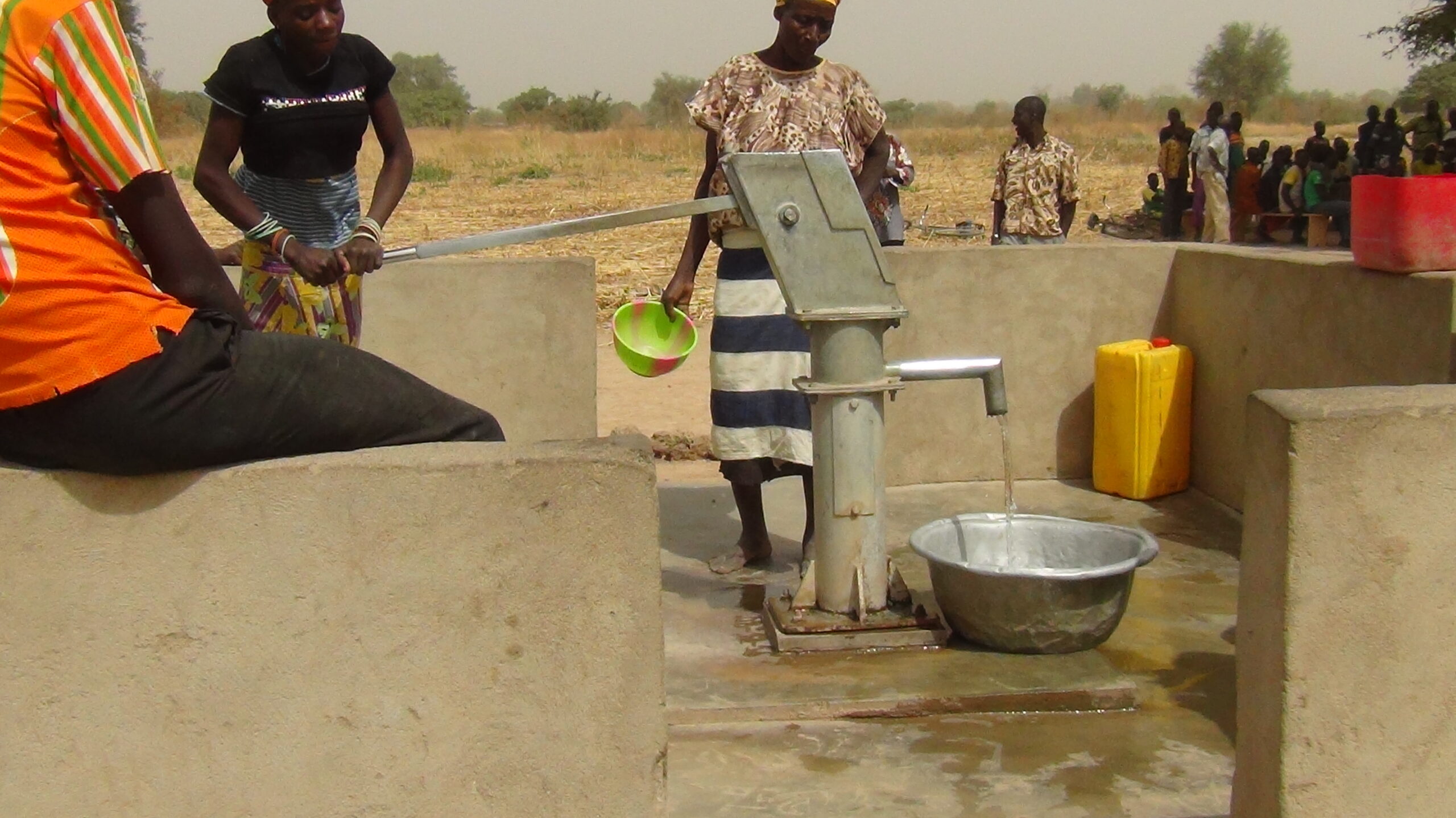
• They are equipped with particularly robust and durable “India” type manual pumps.
• The average cost of a fully equipped well is around €8,000
Each new well is assigned to a control committee, made up of people from the affected villages, mostly women and elderly, who are responsible for carrying out repairs, keeping animals away and teaching the entire community the health and hygiene rules to keep the water clean and drinkable over time.
Next to the well, fenced gardens are created and used for growing vegetables, fruit trees and sugar cane. The water from the well allows for manual irrigation. Since 2011, it has been directly followed by two Anemon geologists who make use of the local partner OCADES, a Burkinabe organization that operates in the field of social assistance and support for the development of rural communities and which has its own experience and resources for the construction of deep water wells.
in the eastern region of Gourma
The presence in the Ocades region has allowed us to make a detailed inventory of the needs of over 120 villages scattered across the territory and to identify the villages that do not have drinking water.
30 VILLAGES NEED A FIRST WELL and have already applied
Interventions in BURKINA FASO n. 26 wells - training and equipment 55 agricultural workers
- 2008: 3 wells built
- 2009: 3 wells built
- 2010: 3 wells built
- 2010: TRAINING OF 55 AGRICULTURAL OPERATORS FOR SOIL DEFENSE
- 2011: 3 wells drilled – supply of equipment for water research
- 2012: 2 wells built
- 2013: 2 wells built
- 2014: 2 wells built
- 2015: 2 wells built
- 2016: 2 wells built
- 2017: 2 wells built
- 2018: 2 wells built