Burkina Faso Mission Report
February 24 - March 3, 2011
At the end of February we went to Burkina Faso, in the eastern region of Fada N’Gourma, with the idea of carrying out a technical mission as part of the Anemon “water project”, for the construction of wells for drinking water and vegetable gardens, active in this country since 2008 in collaboration with Novara Center onlus and Ocades as a local partner. Upon our arrival at Ouagadougou airport, on the evening of February 24, Abbé Prosper Kiema, executive director of Ocades (Catholic Organization for Development and Solidarity) in the diocese of Fada N’Gourma, awaited us. Abbé Prosper, in addition to being a man of the church, has great experience in the construction of wells, in fact, in Fada n’Gourma, Ocades is equipped with specialized means and personnel for drilling, so much so that it has become the reference company in the area. This ability was acquired thanks to the collaboration of another Italian organization, Movimento Shalom of San Miniato, which since 1997 has been committed to donating equipment and training staff.
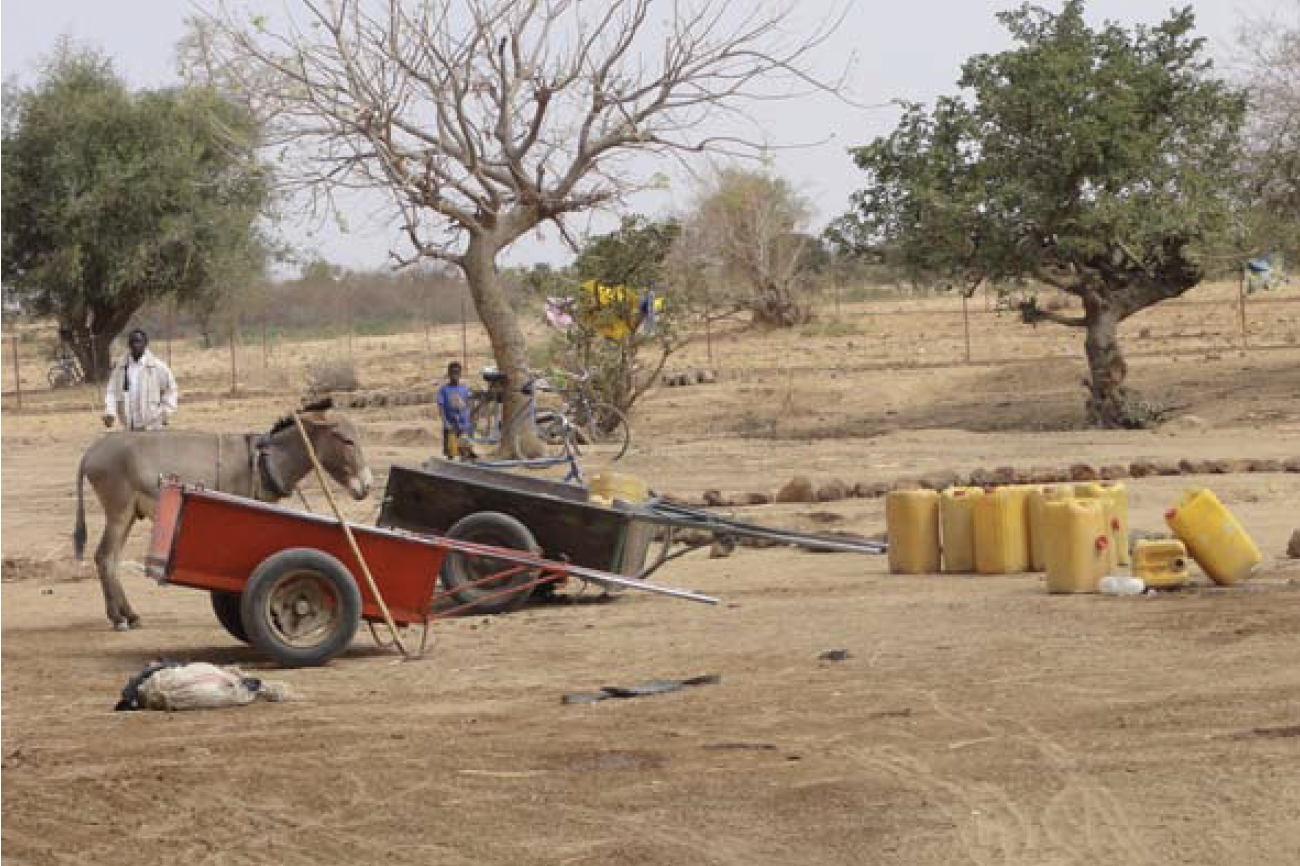
The next day we reach the city of Fada, about 250 km east of the capital along the national road that leads to Niger. After leaving Ouagadougou and passing the brick villages that line the road out of the city, the landscape soon becomes that of arid savannah with little vegetation, among which majestic bare baobabs and other rare trees with large green foliage stand out. Along the road we come across large overloaded trucks headed to or coming from neighboring Ghana, Benin.
Very few cars and a few small overcrowded buses share the road with scooters, bicycles, donkeys and pedestrians; at the edge of the road we see mostly many people and many women carrying on their heads with superb balance large containers and goods of all kinds. Everyone moves to carry the large yellow plastic drums of drinking water; they also travel several kilometers on foot or with means of transport of all kinds to reach the lucky village with a well.
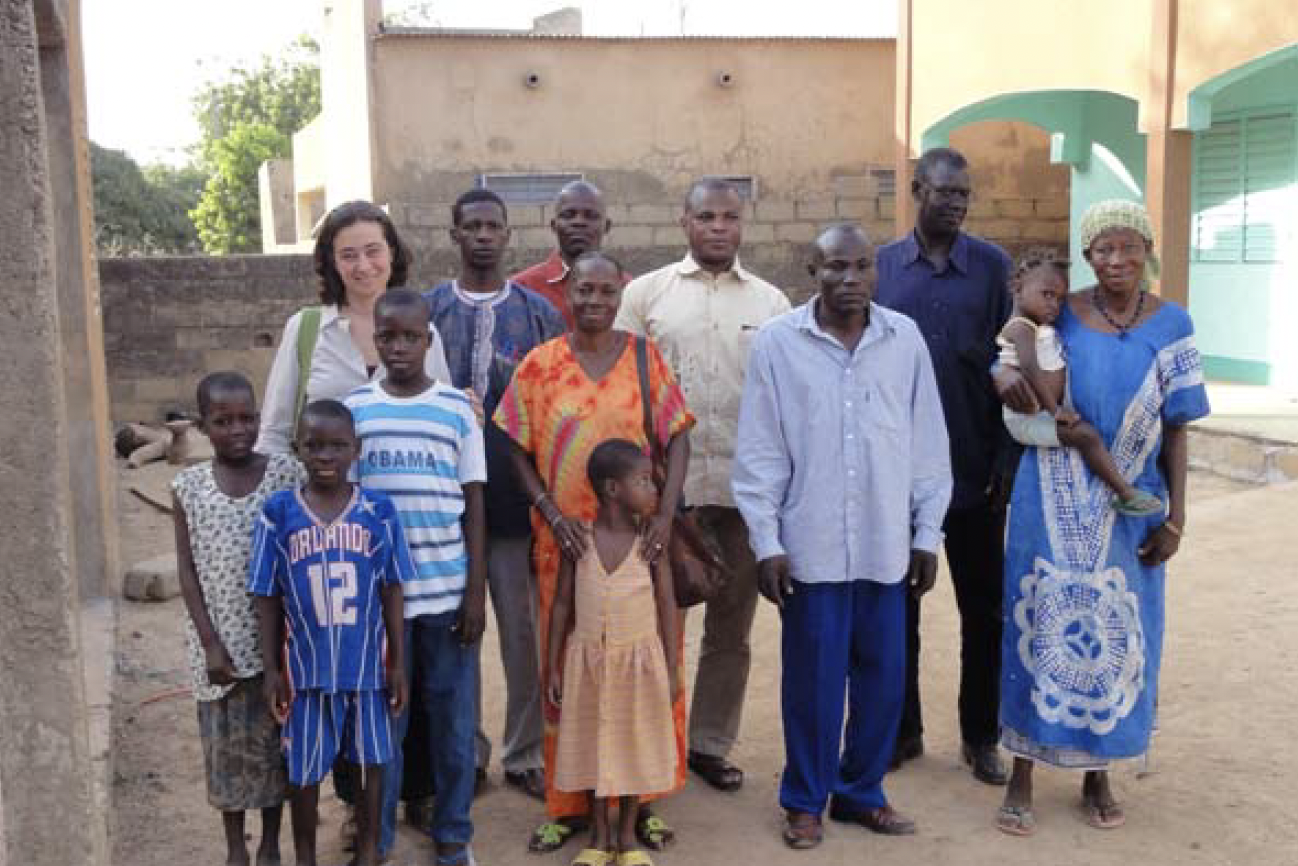
We arrive in Fada and in the afternoon we visit the first well: it is in the school for children with hearing defects. Thanks to the presence of the well, the 15 children hosted in the school can have drinking water. The children welcome us with gestures and the teachers show us the small school. They share with us the importance of their commitment, which allows the children to learn to read and write, taking them away from the situation in their original villages where their defect would condemn them to certain marginalization. They explain to us their difficulties in supporting the maintenance of the children and we immediately think that we could contribute with a long-distance adoption project.
The next morning we leave early to visit the villages where the wells were built; in addition to the Abbé Prosper, we are accompanied by Charle and Hervè, two of the Ocades animators; the animators are young people trained by Ocades to support development in various sectors, they speak the language of the village and support in solving the problems of the communities.
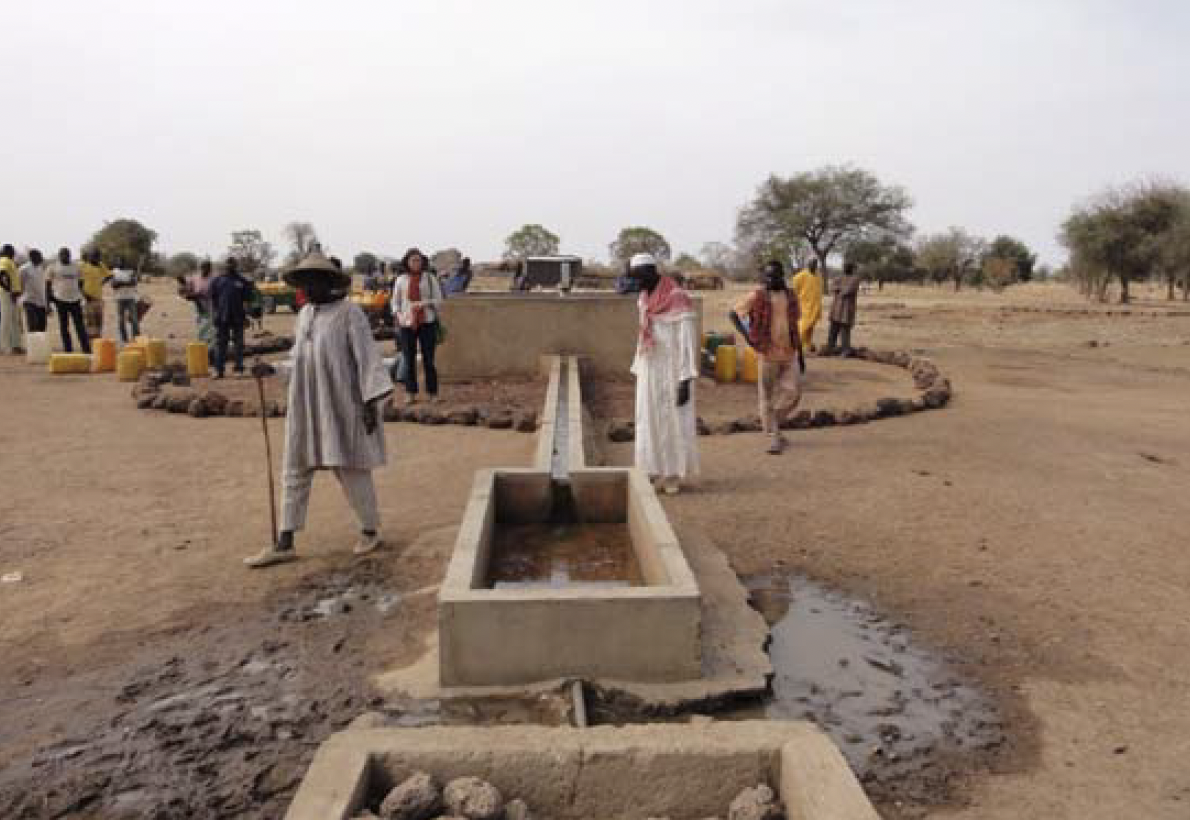
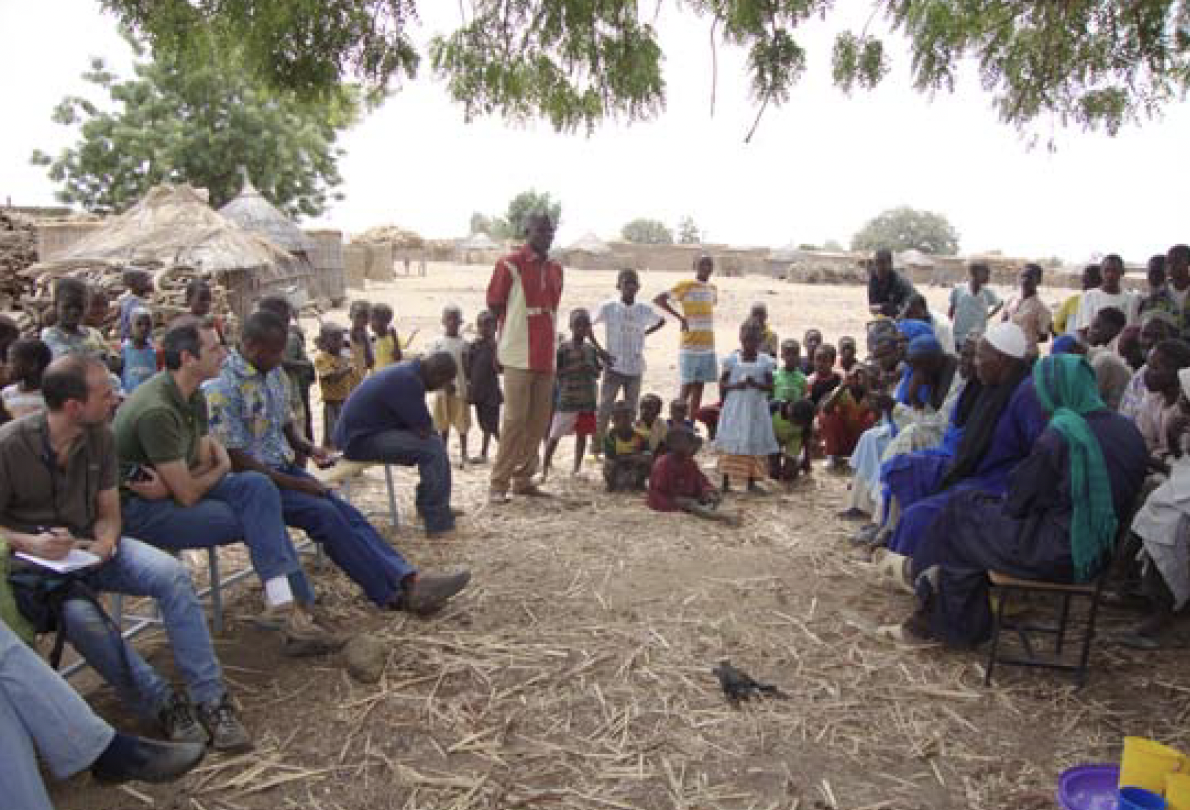
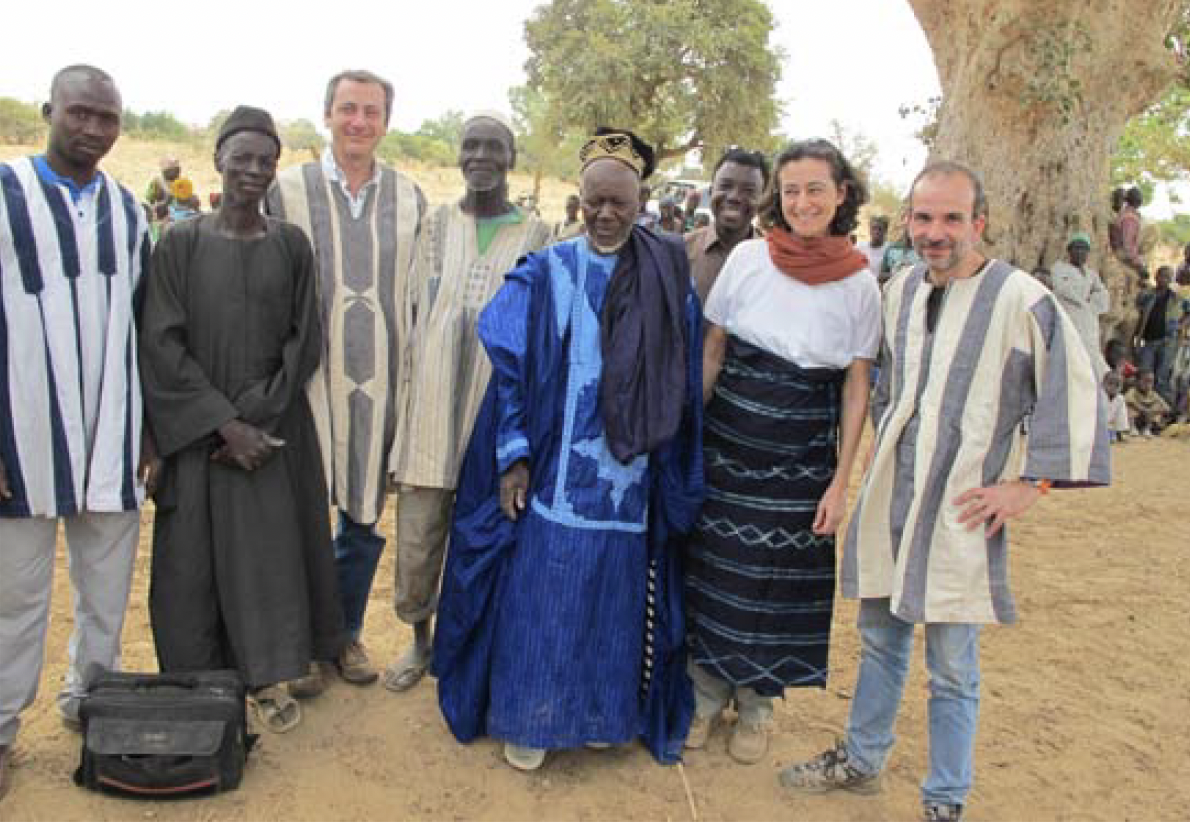
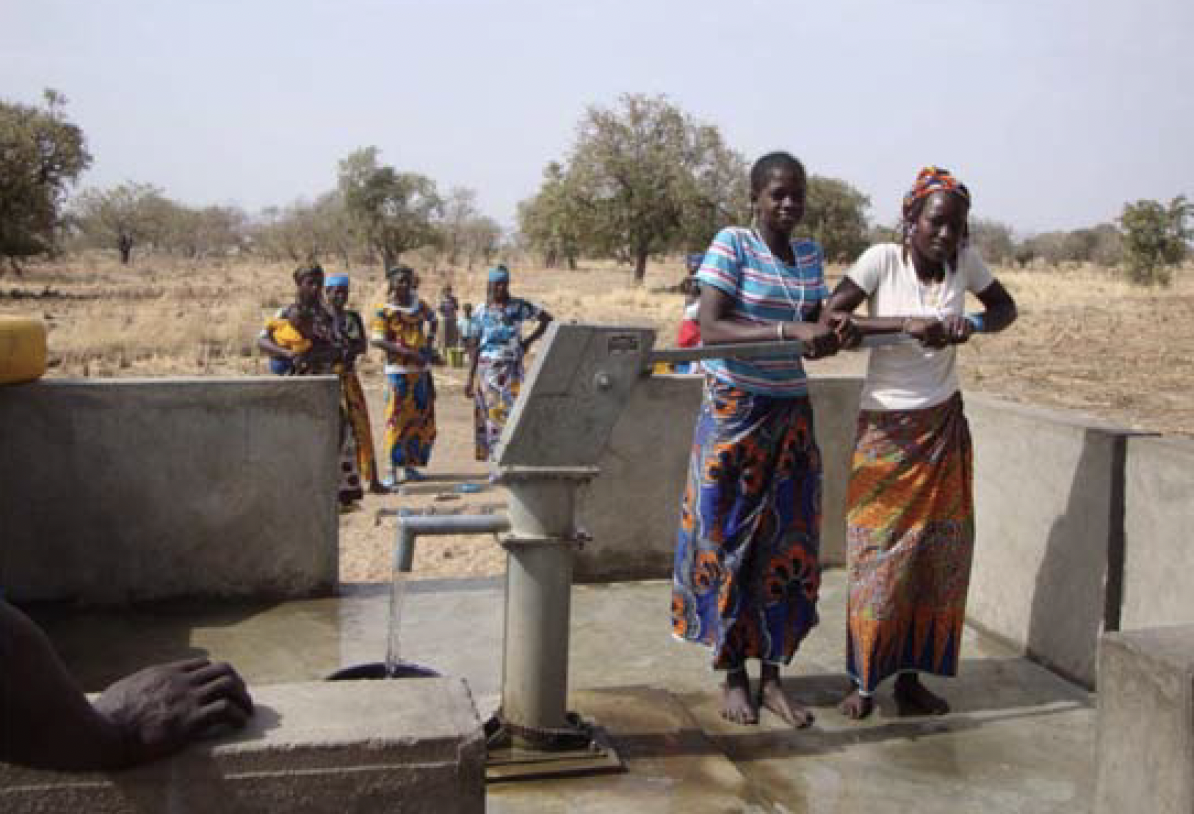
We reach Pienyéri – Matiacoali, in the far east of the region. The festive and at the same time solemn welcome that awaits us, catches us unprepared; the whole village gathers around the well and proudly shows us the water that flows when two women operate the pump; we also visit the nearby vegetable garden where the village grows various types of vegetables. Under the large village tree the elders welcome us and thank us for the great gift of the well: thanks to it, 800 people can now drink potable water, wash themselves and give water to the animals, as well as grow crops. Surrounded by women in colorful clothes and a multitude of curious children, we express our joy in being there and we realize the importance of what has been achieved. From the village representatives we receive gifts of all kinds, clothes and kitchen utensils from the women and even a goat, which give us the measure of the generosity and extreme dignity of these people, despite the situation of poverty.
We leave Pienyéri with great emotion and on the way back we visit the well of Tambiga – Namoungou. The village around the well is very large and the people who come to our arrival are very many. Here too, after the welcoming ceremony, we discuss with the village representatives the management system of the well: a group of women takes care of cleaning and small maintenance and everyone contributes to putting aside a fund for the most important repairs, even if the wells are equipped with very robust manual pumps that rarely suffer from breakdowns.
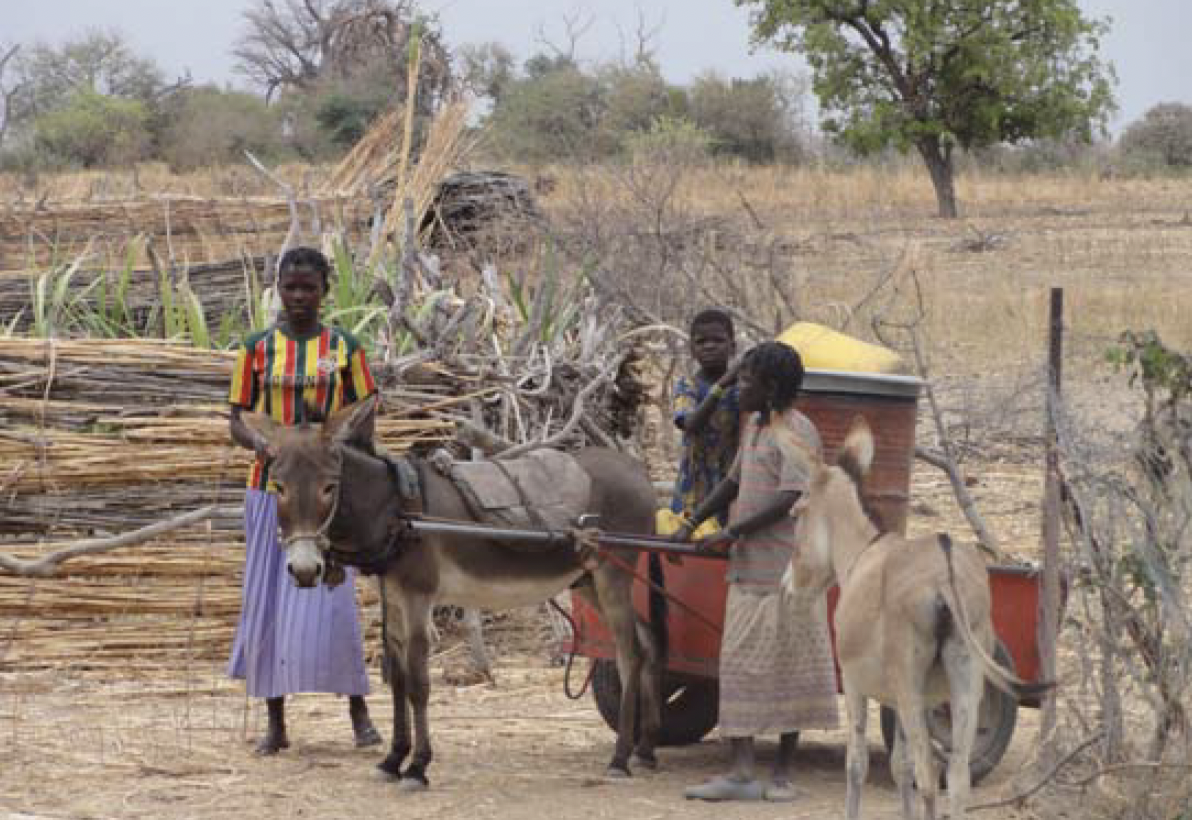
On Sunday we leave very early to visit the village of Tchiapandi – Diapaga, over 250km from Fada, still towards the East, on the border with Benin. The journey itself is a great emotion and offers us the opportunity to observe the beauty of the landscapes and the life of this rural region, dotted with small villages with houses built with mud bricks and small straw barns, goats and sheep that wander even on the road and carts full of yellow bins pulled by donkeys that indicate to us that there is a well nearby. Along the journey we see large pools of water now almost dried up due to the time passed since the rainy season, surrounded by small green cultivated plots.
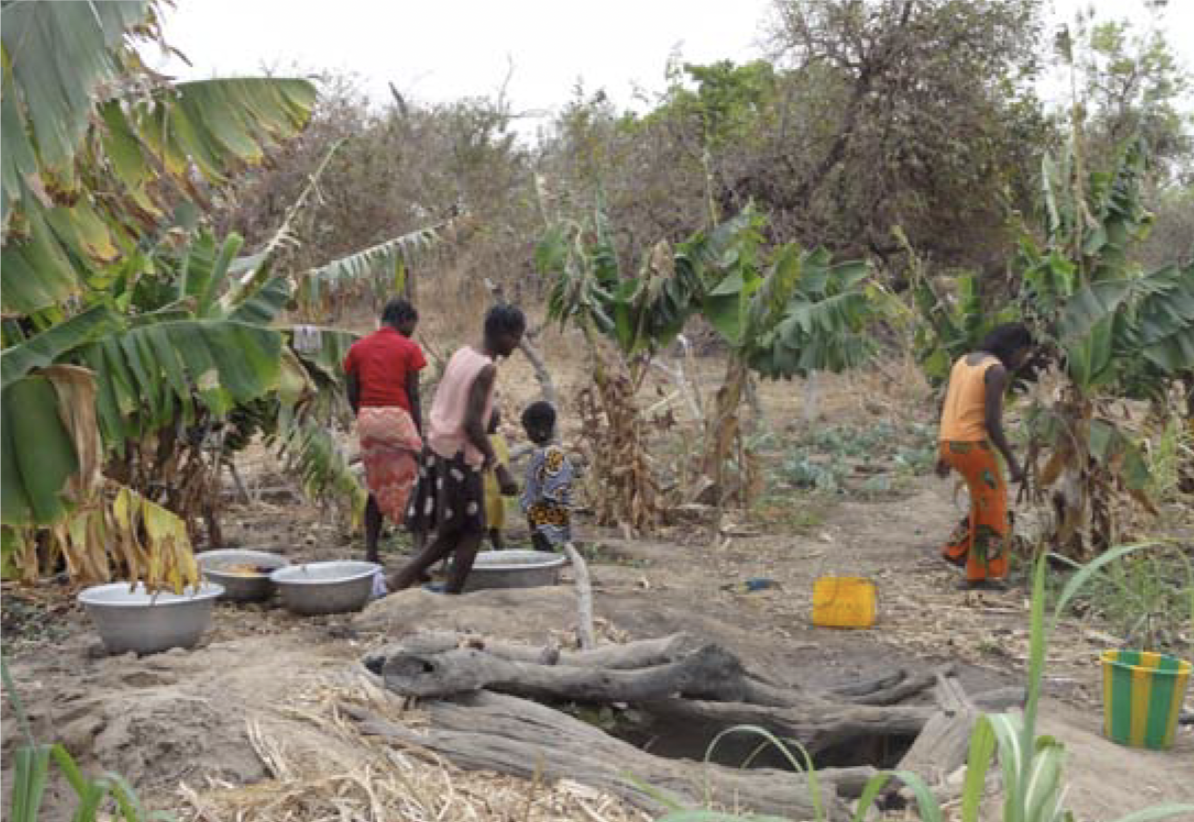
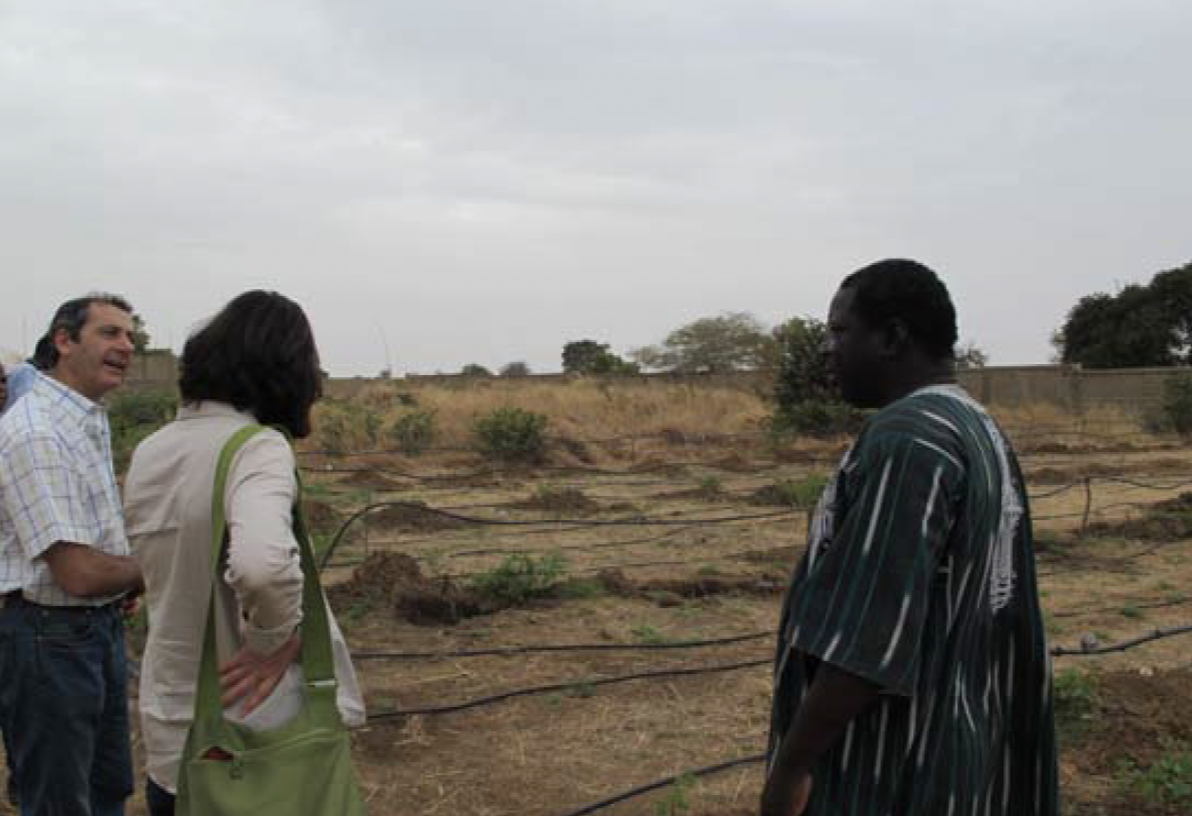
Tchiapandi is truly lost in the savannah, in some parts the track gets lost among the bushes and it is really difficult to follow it. We arrive after about 3 hours of travel. We immediately visit the large vegetable garden created with the support of the Acqua di Anemon project, where sugar cane is grown, as well as bananas and vegetables.
Some children who, seeing us, burst into tears of fear, give us the idea that in these parts visits from foreigners must not be frequent. The warm welcome moves us, the discussion with the representatives of the village is open and interesting.
It is explained to us that the well is also used a lot by other nearby villages and by people passing through on their way to Benin, so the water from this well is not enough to cover everyone’s needs. According to the Ministry there should be a well for every 300 inhabitants; the reality is that each well is used by about 1000 people. We also leave from Tchiapandi with the inevitable gifts in nature and the blessing from the elders to continue our journey.
On the way back we stop in Kantonari where the exuberant Pere Congo shows us the “Centre de recuperation nutritionelle”: a project promoted by Abbè Prosper who wants to give hospitality to malnourished children from the villages and can also host the mothers until the child is completely recovered.
This center, which has just opened, already has 7 children and a pediatric clinic is operational that treats and provides assistance to many children. Pere Congo invites us to send clothes, toys for his children and everything here seems to be necessary. Next to it is the well that allows them to grow a huge vegetable garden, which will serve as a teaching tool for the mothers who will live in the center to learn how to grow and better feed their children; the women themselves will be able to learn to sew here, so Pere Congo asks us if we have any old sewing machines.
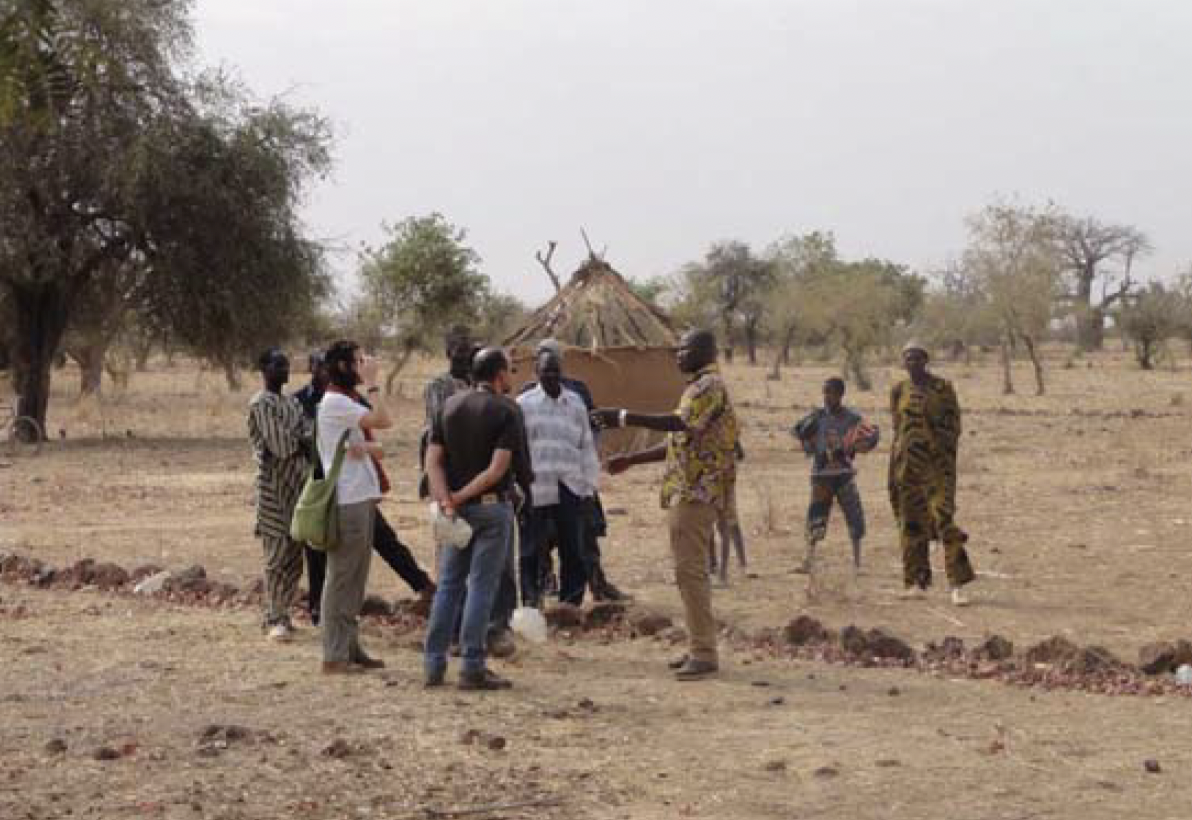
On Monday we move north, to the Bogandè region. To the north we enter the Sahel region, even drier and more barren. We stop at the village of Kongaye. Here they are waiting for us to show us the construction of the “cordonnes pierreux”, financed in 2010 by Anemon, curbs made of 20-30 centimeter high stone pebbles, built under the technical direction of our friends from Ocades, with the participation of the entire village. There are 30-40 hectares of cultivated land around there thanks to this simple technique, which allows to reduce the washing away of the soil during the rainy season, preserving its fertility.
When we arrive in Kotcha, the village chief is dressed in elegant clothes on a decorated horse and a group of musicians and dancers welcomes us. At first only a few elders gather, but in a short time we are surrounded by hundreds of people, many children. The thanks for the construction of the well comes from the representatives of the different ethnic groups and religions: here gourmantchés and mosses live together peacefully with the Peul nomads, now settled in the village, of Catholic, Muslim and animists religion.
The welcoming ritual is repeated, now it is familiar to us too and we feel perfectly at ease sitting in a circle under the shade of the large tree that protects us from the African sun. The women are very elegant in their festive clothes and explain to us the rules they have given themselves for using the well. On the last day we visit a village closer to Fada, Djaberjuma; it is a more developed agricultural village, where we also see an old tractor for farming, here the land is more fertile. They plan to plant a mango orchard and increase crops, but there is never enough water. However, the women tell us that since the well was built, diseases have decreased, especially among children, and their food security has increased.
Back at the Ocades headquarters in Fada we take stock of our mission. Abbé Prosper gives us the technical documentation relating to the wells and other projects financed by Anemon and we draw up a list of the most urgent needs and future projects:
- Many villages still do not have a drinking water well and Ocades has already received more than 30 applications for the construction
- A geoelectric survey is used to search for water, the cost of which affects the total cost of the well. We believe it is possible to purchase used equipment to supply to Ocades and provide training for its use
- Ocades is planning to build a farm on an already available land that will function as a school for breeding and cultivation techniques. A well with an electric pump and water tank is needed.
- project for the long-distance adoption of children from the Fada school with hearing problems and possible medical assistance.
Back in the capital and waiting for the next day for our departure for Italy, we visit Festpaco, the African Film Festival that is based in Ouagadougou and that is a lively and interesting moment of cultural encounter that attracts international attention every year and on the occasion of which visitors, exhibitors and filmmakers from all over Africa flock to this city.
We leave Burkina with a great desire to return as soon as possible and the commitment to continue to support the projects also sure to be able to count on the solid and effective organization of Ocades.
Carlo, Cristiana e Georgios.